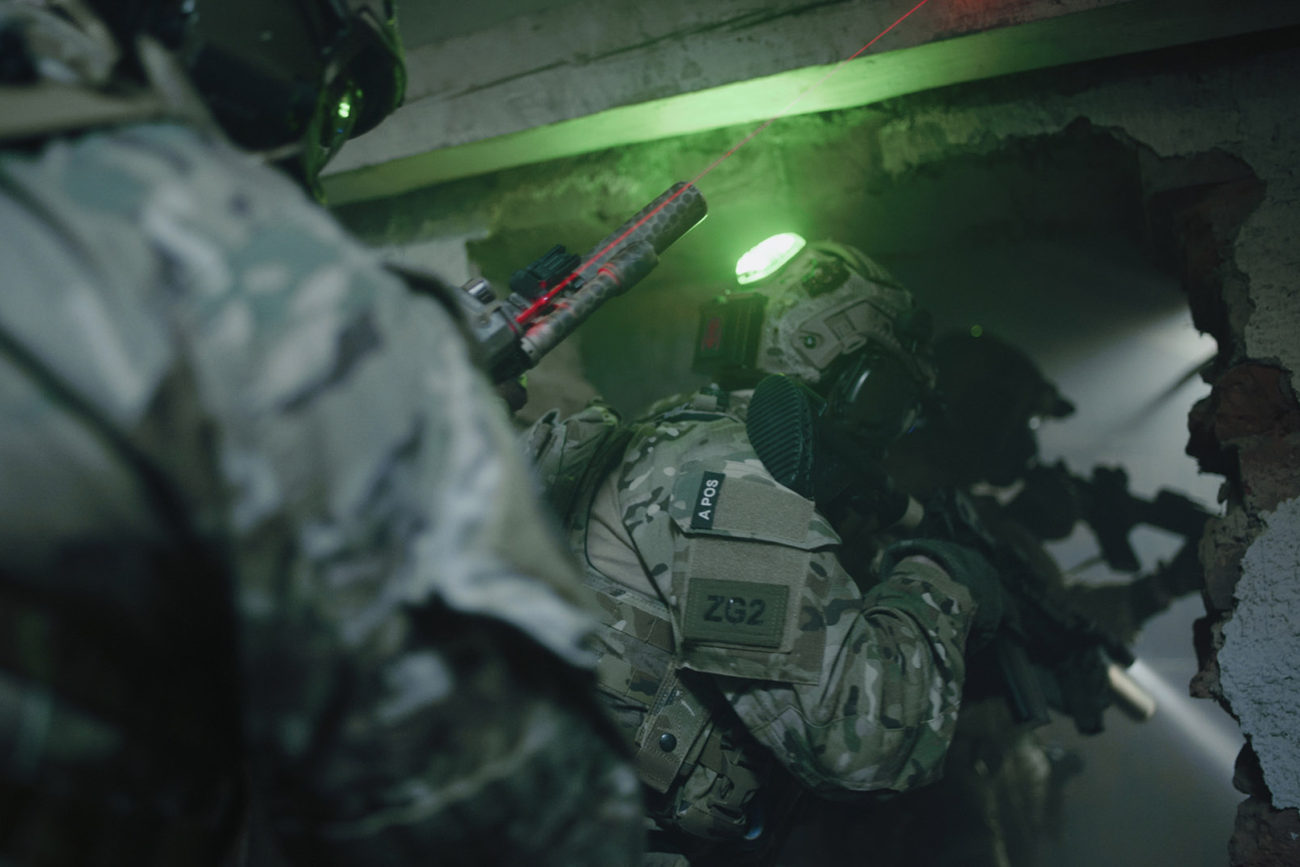
Recording is not enough In the early days of the digital era, simply owning a camera and recording content was enough. Lighting was only used when a person or product was in the dark. Today, that is not enough. The demands of viewers are growing, and so are the demands of clients. Anyone who wants to shoot successful films cannot just be a reportage cameraman. They must become a filmmaker, which in documentary filmmaking often means taking on several professions at once. Film consists of 24 or 25 frames per second. A four-second shot is therefore a hundred images. I could even say a hundred paintings, because just as a painter chooses their brush, color, and stroke, a cinematographer chooses the camera, lens, film grain texture, and color rendition.
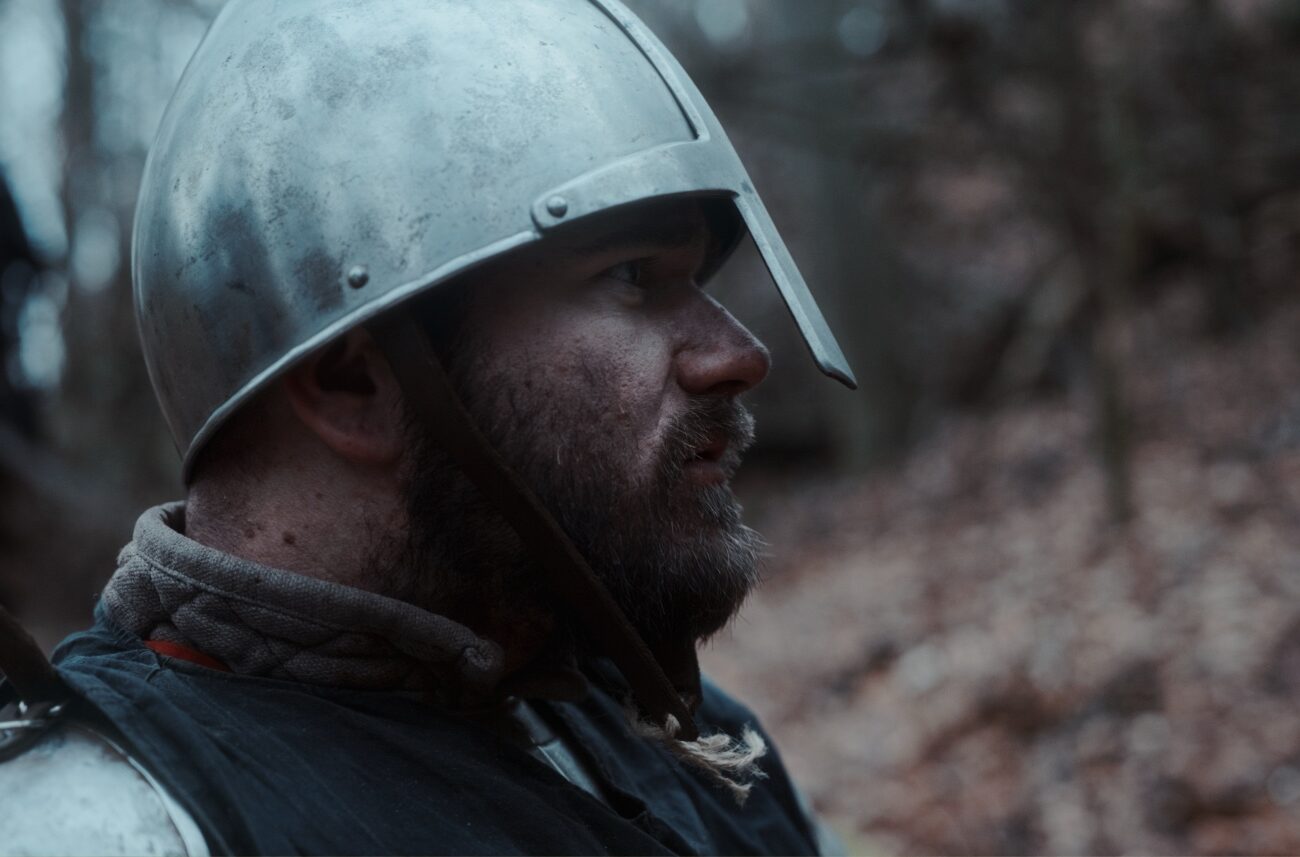
Example: two eras, two types of lenses When we were shooting the feature-length documentary Krkonoše: Cesty Vlachů, I knew that I would shoot the contemporary scenes with modern, sterile lenses so that they would feel like a live publicistic documentary. But the film is also a docudrama and follows characters through history; myths and legends are also filmed in it. For the historical scenes, I therefore chose vintage lenses, very old and fully manual.
A modern lens is sharp from corner to corner, does not flare in backlight, and maintains a consistent contrast. Great for a billboard. However, a historical scene shot with it would look like a hospital. A hospital is sterile, smells of bleach, and a sticker on the wall won’t change that. The film would lack an organic feel.
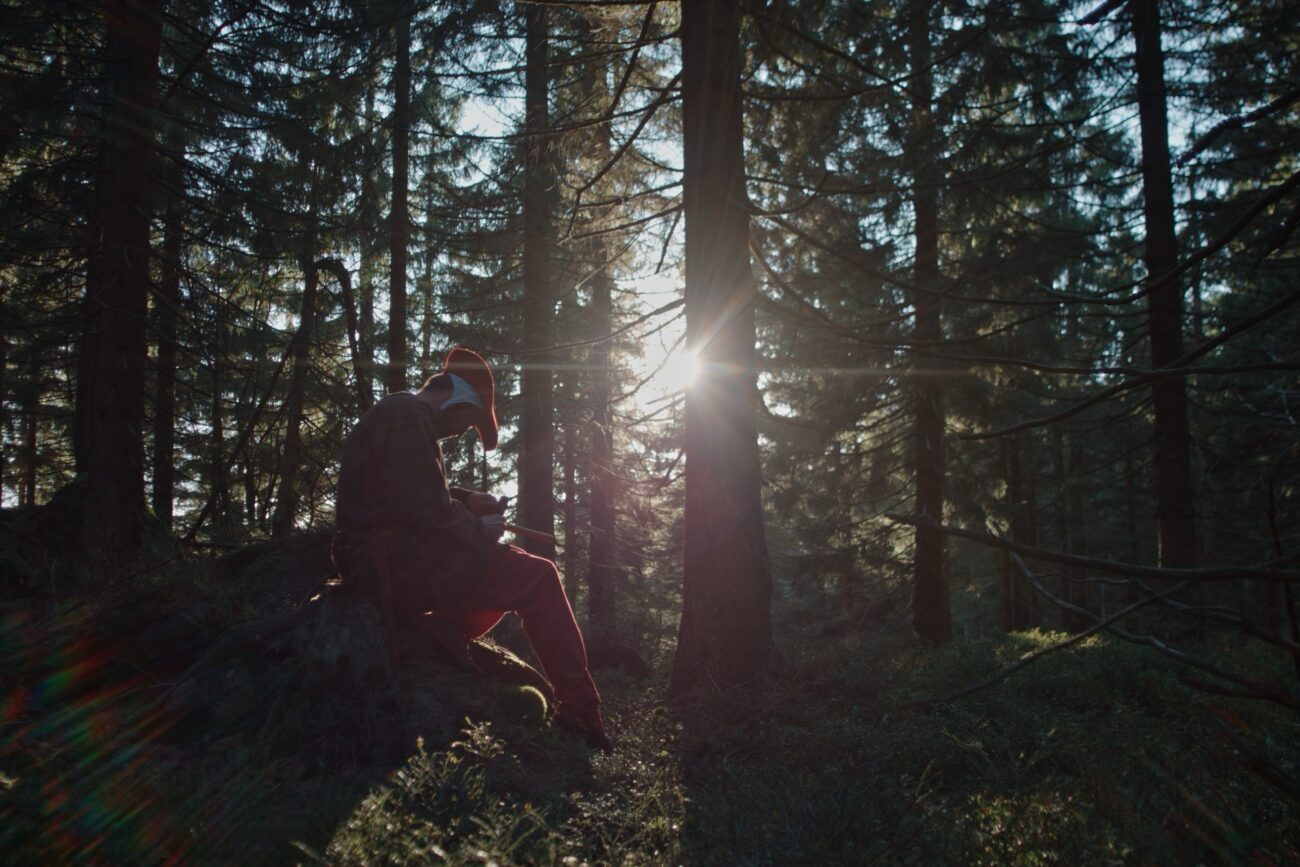
Sometimes we go even deeper in our research. If we were shooting a film from the socialist era, we could study the film stock of that time and replicate it almost one-to-one using period lenses and lighting. The viewer might not rationally notice it, but subconsciously they feel that organic change. They can appreciate it. It is the same difference between a corporate video where everything is polished and people read from a teleprompter, and a film about the history of a family business that is meant to be full of pride and emotion.
Light It is not just about lenses, but also about light. A cinematographer must know how to light a scene, but just as importantly, how to work with natural light. Clients are often surprised that I move in the shadows and shoot against strong light sources. With older cameras, this wouldn’t have been possible; the foreground would be completely dark and the background blown out. Today’s cameras can handle it, and that’s how we do it, because that is what proper work with light looks like, and that is how atmosphere is created.
Color Today, we shoot in a way that captures the maximum amount of image information. However, such an image is not immediately suitable for publishing. Color grading—essentially developing the image in post-production—is expected, so that green is truly green and the image has contrast. Because we start with a full vessel of information, we can push the image wherever we need it. If we were to shoot a high-contrast image right away, contrast is difficult to reduce later. Less contrast and detail feels softer. Cold tones can express danger, while warm tones suggest a cozy family background. We can limit the color spectrum, suppress certain colors, enhance or shift others, and thereby evoke a specific feeling in the viewer. The simplest example is crime series: as soon as the plot moves to Mexico, everything is extremely warm; in winter, everything is blue again. You don’t perceive reality like that, but this isn’t about reality. It is about making the viewer connect with the content as much as possible.
Sound and music All of this is combined with sound and music. Upbeat music in a happy scene will emphasize it, perhaps even too much. Conversely, sad music playing under a happy scene creates a melancholic feel and can hint that something has happened or is about to happen.
Decisions are made before shooting Amateur creators usually don’t notice these details. The longer you are in the field, the more you realize that mastery lies within them. That is why we determine what emotion the final product should carry before we start shooting. I can shoot industry using modern equipment and hard light, or conversely, soften the people. I can shoot a family business on cinema or vintage lenses. The result is then much better than if we just blindly recorded everything. Commercials are often made brighter than they actually were on set so that they automatically feel cheerful and make you crave the product. In a documentary, on the other hand, it often pays off to capture raw reality.

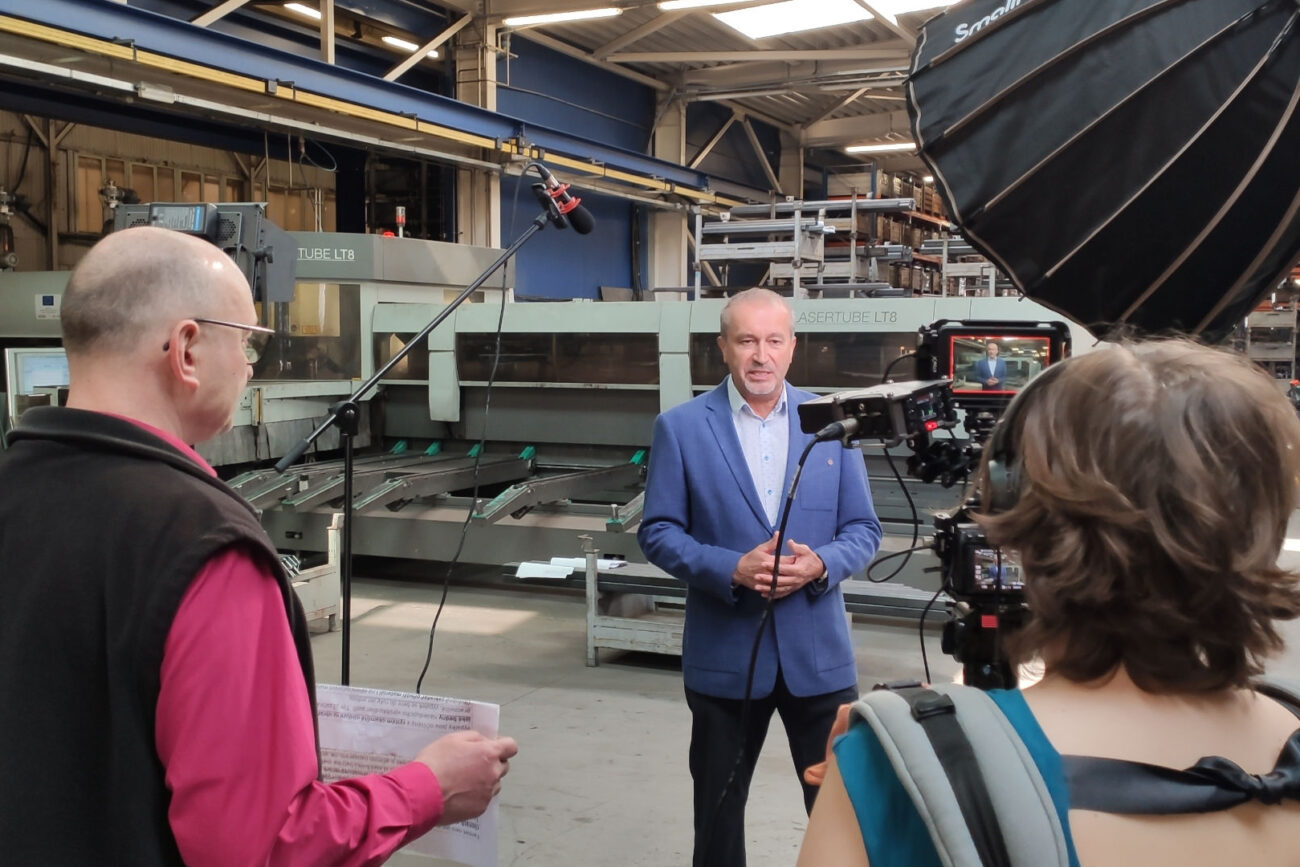
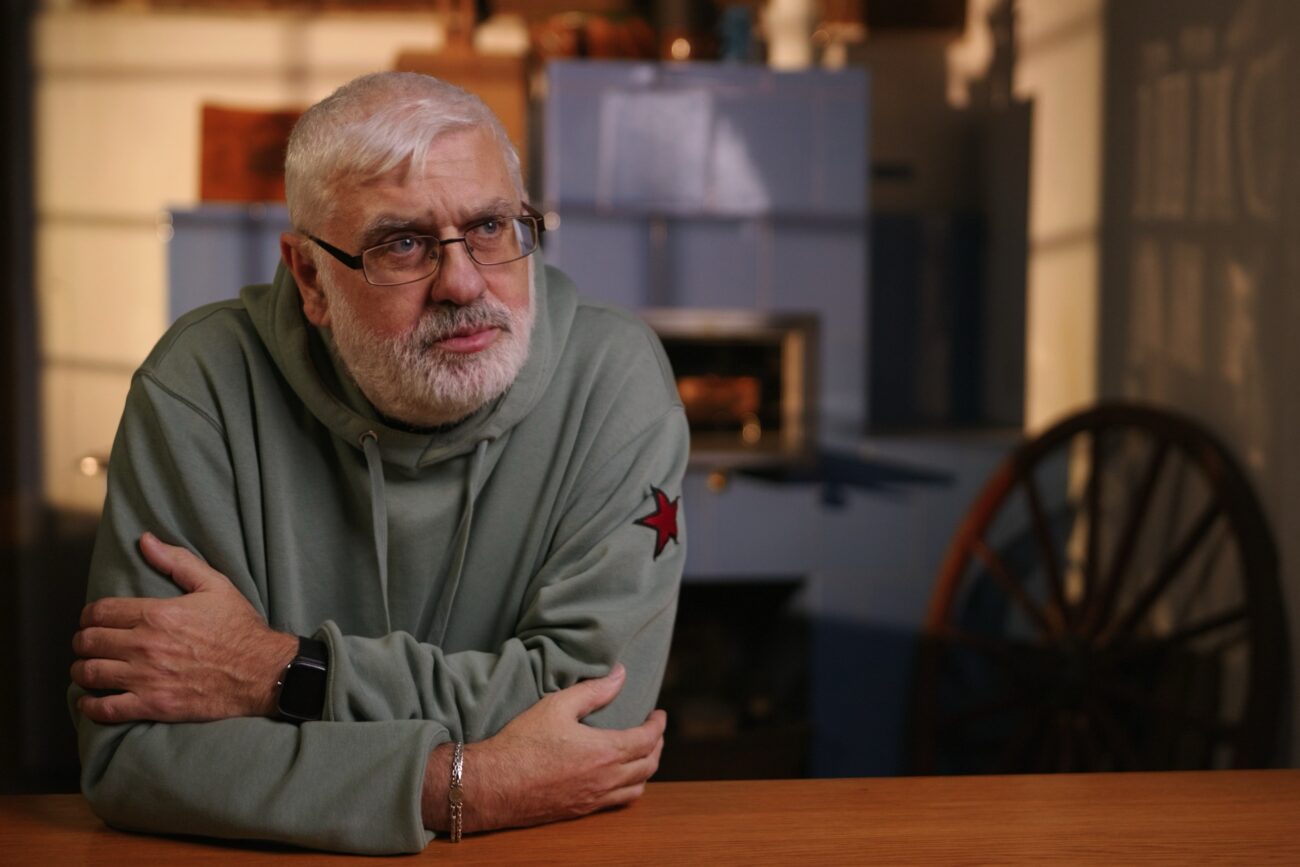
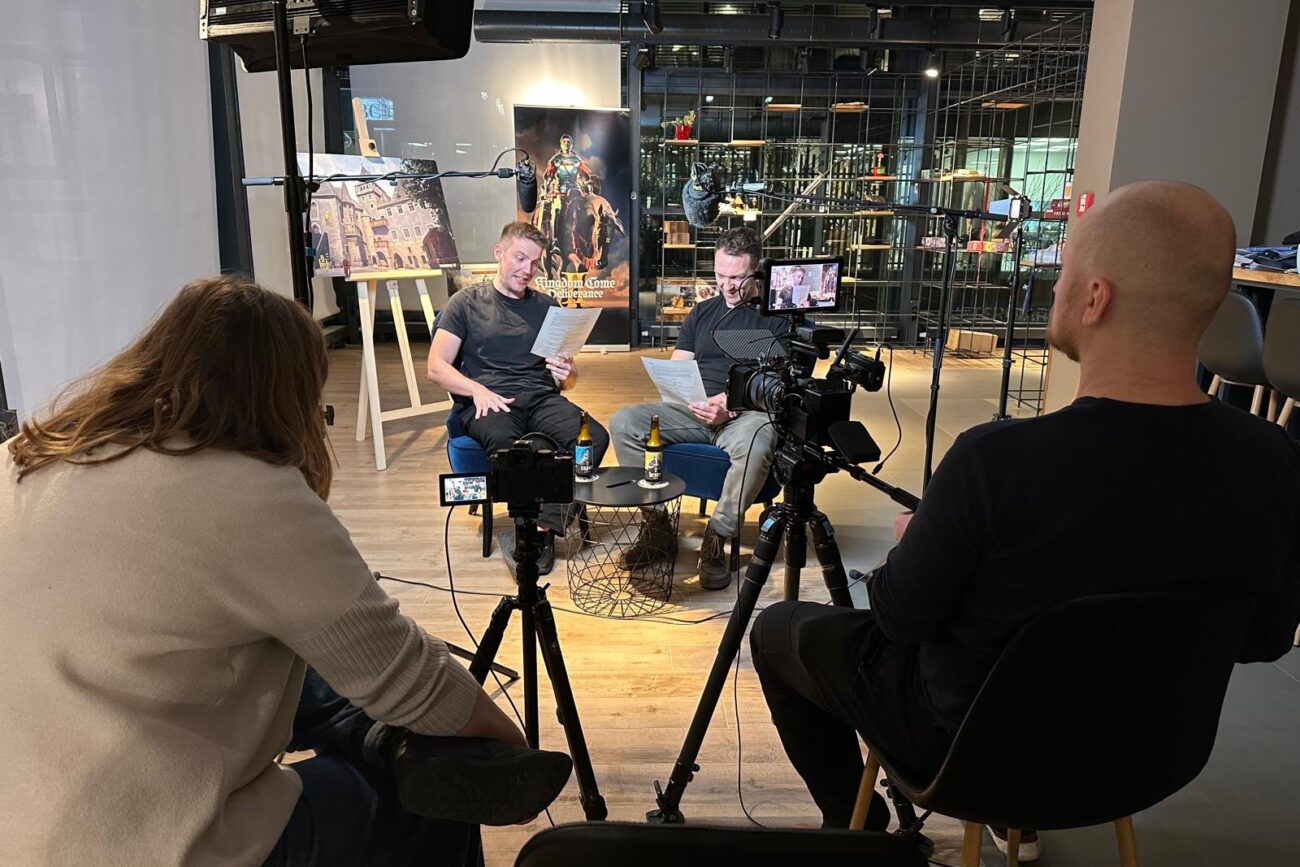
What is overrated in the industry Some creators like to boast that they shoot interviews on multiple cameras and spend the whole day lighting them. It is always the director’s decision whether it fits. But when you spend a whole day lighting a seated interview, from which only a minute will be used in the film, I consider that wasted time. My approach is more organic. When I walk into a room, I always stop first and observe how the natural light behaves in it. Then I either use it in its raw form, intentionally dim it, or support it with lights from the same direction and soften it with a battery-powered fog machine. I also like to bring the scene to life with practical lights—lamps or bulbs—that appear to be a natural part of the set. But what is crucial for my signature style: I always move in the shadows. The side of the face or object that is closer to the camera must remain darker. This gives the shot cinematic depth and drama. During an interview, I don’t primarily light the people; I model the entire scene. Often, it is much more powerful to capture the reality of the present moment and let the viewer experience the atmosphere themselves.